Reinforcement Technology

Mesh Hernia
Repair

Understanding mesh repair: the modern surgical standard for hernias. Explore advanced, biocompatible mesh designs tailored for a lifetime of support.

The Gold Standard

What is Mesh Hernia Repair?

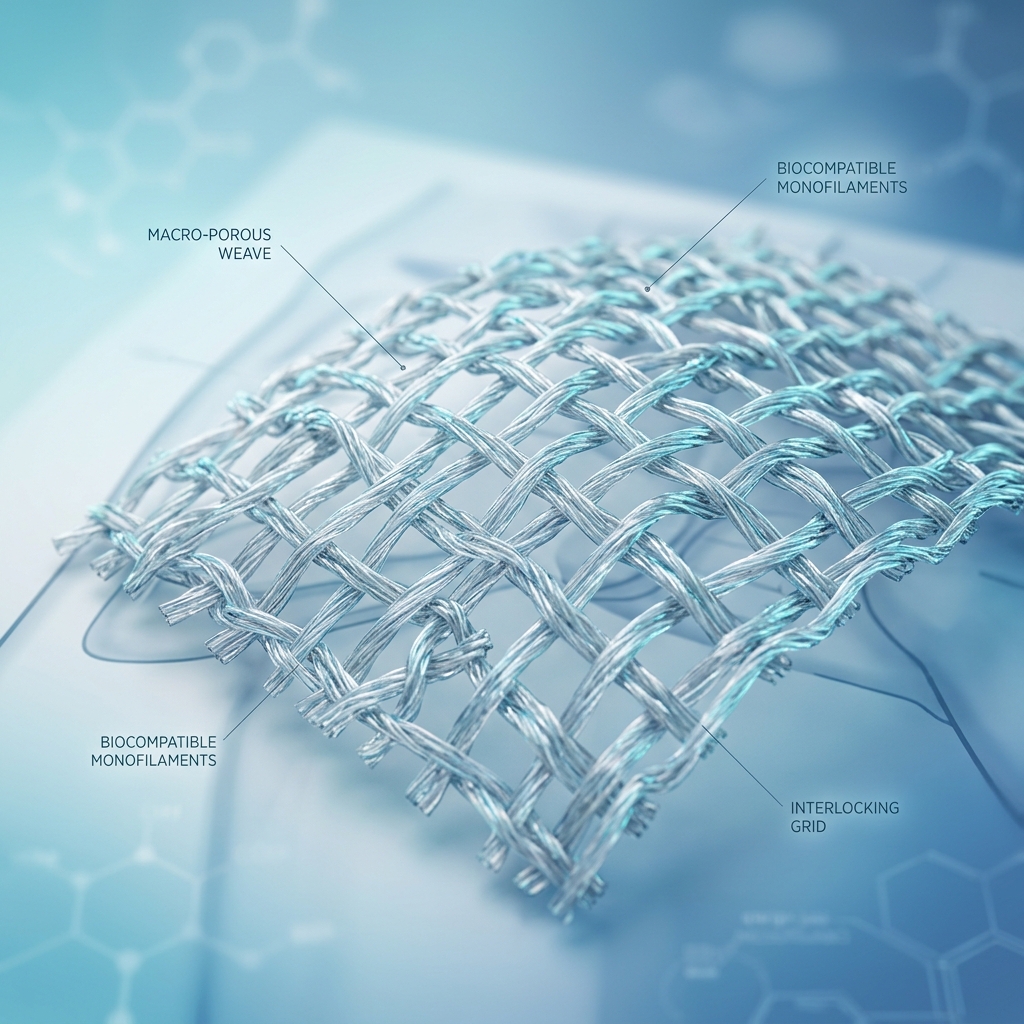
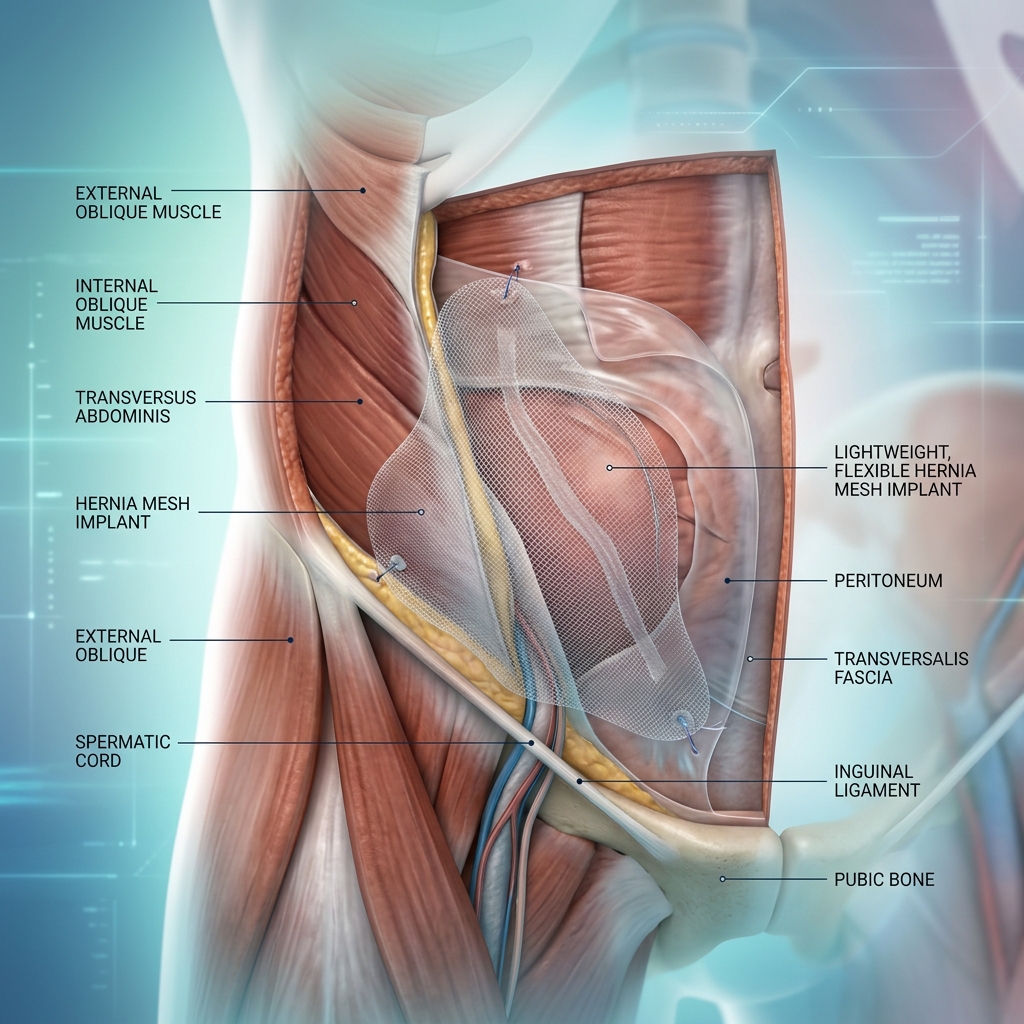
Mesh hernia repair involves placing a sterile, biocompatible mesh sheet over the abdominal wall defect to reinforce the weakened muscle tissues. This tension-free approach has become the global gold standard in hernia surgery, dramatically outperforming suture-only closures.

The mesh operates as a supporting scaffold. Over a few weeks, the patient's own natural tissues grow in and around the mesh pores, creating a combined, permanent abdominal wall reconstruction capable of comfortably bearing intra-abdominal pressure.

80% Recurrence Reduction

Lowers hernia recurrence rates by up to 80% compared to suture repairs alone.

Tension-Free Support

Distributes physical strain evenly across the abdominal muscles for anatomical comfort.

Under 1% Infection Profile

Modern, high-tech monofilament materials are highly resistant to fluid retention and infection.

Complete Tissue Integration

Acts as a supportive scaffold prompting native collagen fibers to grow into and secure the mesh.

Faster Muscle Recovery

Enables early mobilization and results in significantly less post-operative muscle soreness.
Mesh Hernia Repair - Advanced Materials Science

FDA-Approved Materials

Engineered for biocompatibility and tissue integration
Material Science

Advanced Hernia Mesh Varieties

We select mesh types custom tailored to your anatomical profile and physical activities. Here is a breakdown of our premium mesh inventory.

Standard Synthetic Mesh

Standard Tech

Woven polypropylene gridwork. Permanent, extremely high-tensile resistance for large defects.

Recurrence Reduction: Extreme

Lightweight Pore Mesh

Comfort Fit

Reduced mass and wide-pore geometry. Blends seamlessly into abdominal muscles to prevent stiffness.

Patient Comfort: Maximum

Composite Dual-Layer

Visceral Safe

Dual-sided sheet: one side encourages secure muscle integration, other has an organ-protection barrier.

Organ Protection: Total

Self-Fixating Micro-Grips

Fixation-Free

Features absorbable micro-hooks that self-anchor to tissues without painful mechanical tacks or sutures.

Fixation Soreness: Zero

Anatomical 3D Mesh

Anatomical Fit

Pre-formed 3D groin contours. Snugly fits the natural inguinal anatomy, avoiding complex stretching.

Anatomical Alignment: Perfect

Biological Scaffold

Absorbable Tech

Organic dermal cellular framework. Acts as a temporary grid that gradually dissolves as native collagen rebuilds.

Foreign Body Footprint: Temporary

Advanced Materials Science - Hernia Mesh Engineering

Precision Engineering

Bio-compatible materials tailored for physical comfort

Clinical Safety

Mesh Safety &
Durability Data

Understanding scientific facts helps ease anxiety. Modern, bio-compatible meshes deployed correctly by specialized hernia surgeons display a stellar clinical history.

95%+

General Success Rate

<1.5%

Complication Rate

Clinical Registry Consultation Chennai

Registered Durability

Millions of procedures documented in global registries

Unpacking Rare Risks

Infection

Under 1% incident rate. Mitigated through strict intra-operative aseptic protocols and monofilament mesh choices.

Seroma

Uncommon fluid collection. Controlled using careful dissection and postoperative binder wear.

Chronic Pain

Exceptionally low. Minimized by tension-free mesh overlays or sutureless micro-grip fixations.

Alternatives

Mesh-Free Hernia Repair Options

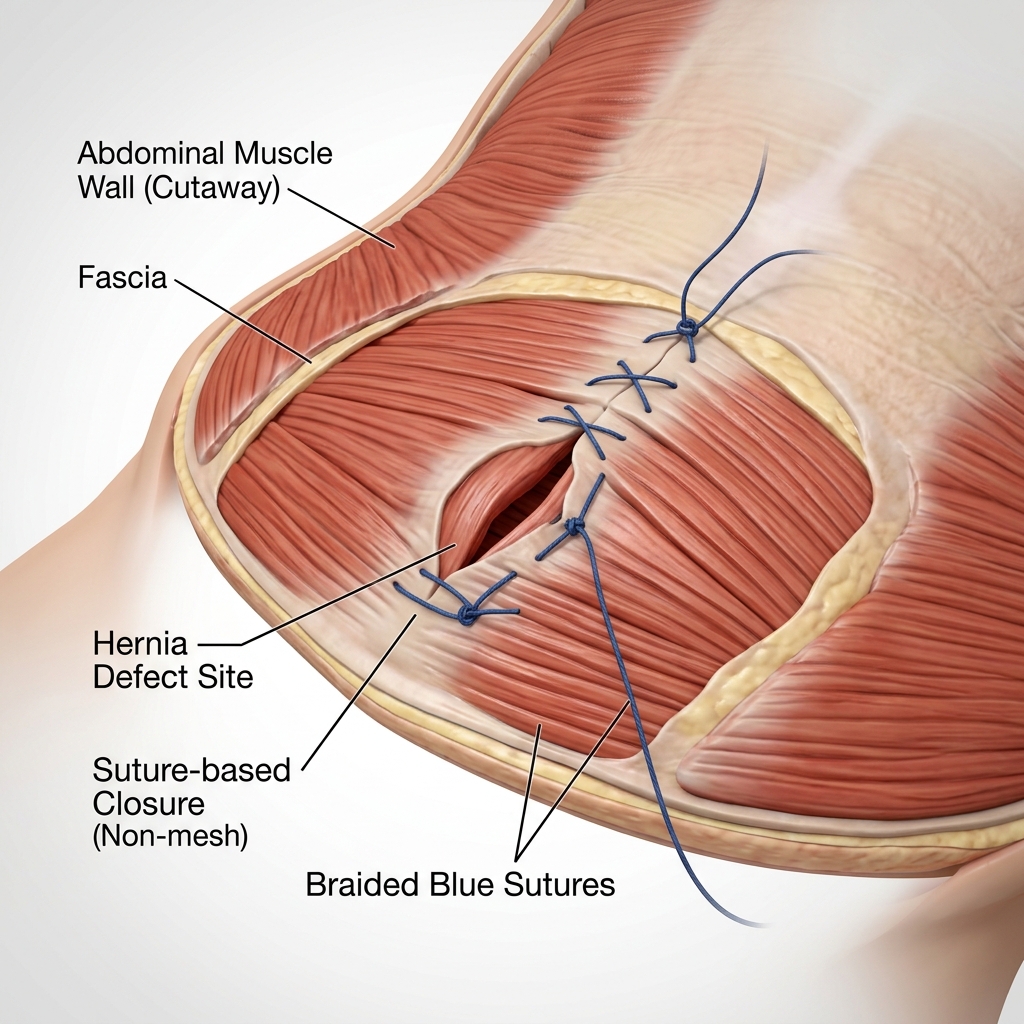
For patients with small, primary groin hernias who prefer not to use synthetic materials, Dr. Kumar offers several specialized suture repairs.

Shouldice Technique

Uses continuous running steel sutures to double-reinforce four distinct groin muscle layers without foreign meshes.

Best for: Small primary hernias, lean patients

Desarda Technique

A physiological suture repair where a strip of the patient's own external oblique muscle tissue is moved and sutured across the defect.

Best for: Primary inguinal hernias

Biological Sublay

Uses high-tech absorbable biological grid sheets that are eventually replaced entirely by natural tissues for a mesh-free endpoint.

Best for: Young patients, contaminated fields

Mesh-Free Suture Repair Consultation Chennai

Tailored Feasibility

Custom muscle status reviews for suture repairs

Key Recurrence Trade-off

Suture-only repairs generally display significantly higher recurrence rates (above 15%) compared to mesh reinforcement (under 2%). Dr. Kumar will review your physical status to see if a suture repair is clinically viable.

🤷‍♂️ FAQ

Frequently Asked Questions

Hernia mesh is a sterile, medical-grade woven grid sheet made of polypropylene, polyester, or biological tissue. It is placed over the abdominal wall defect. The mesh acts as a strong permanent scaffold that redistributes tissue tension, prompting your own collagen fibers to grow into the mesh pores and creating a highly durable repair.

Have Questions About Mesh Hernia Repair?

Dr. Kumar will explain all your options and recommend the most appropriate structural approach for your specific condition.